I guess like most people the topic of isolation is at the forefront of my mind at the moment. For most of my naval career I have at times taken isolation for granted, but I have also had a fondness and appreciation for being out at sea with a limited number of people, away from the hustle and bustle of city life.
Ever since I was a kid I have enjoyed my own company, for the most part, which has made being away at sea or away from family a lot easier to handle. I enjoy the peace of cruising across the sea, standing out on the deck with the fresh ocean air and hardly a care in the world, but I have also been lucky to be on ships with plentiful food and fresh water.
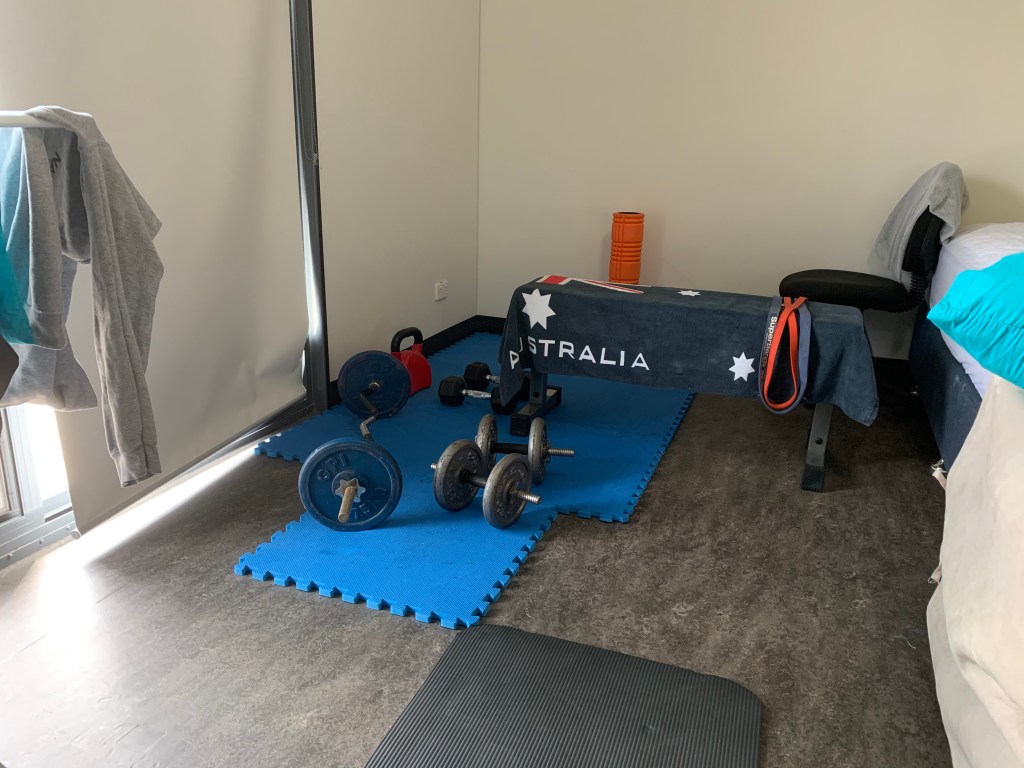
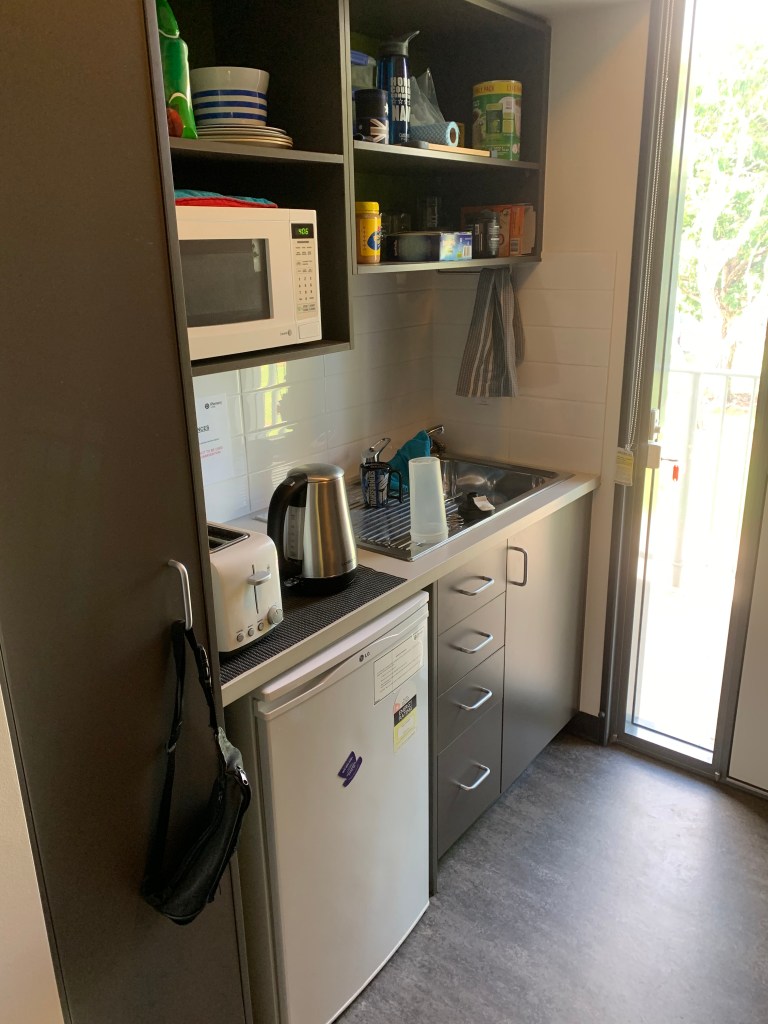
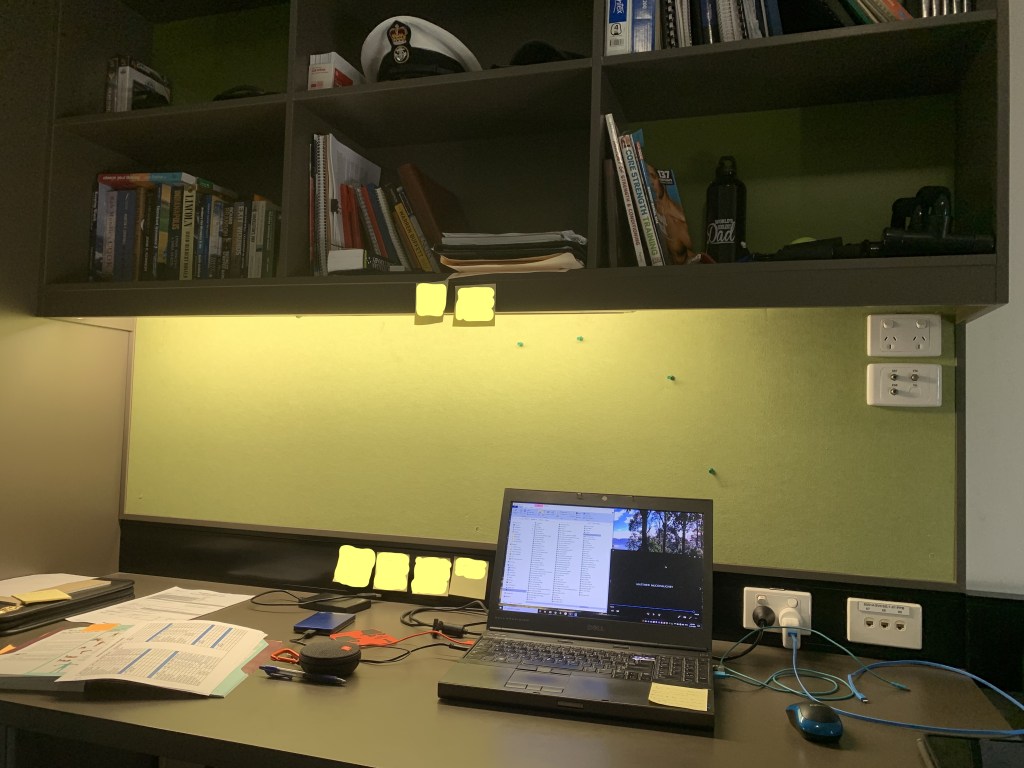
For three months this year I had been away from my family, living in accommodation on the navy base in Darwin. These days the accommodation is a lot better than any of the accommodation we had fifteen plus years ago. I have been quite happy living in my room where I have a small kitchenette, bathroom, double bed, two seater couch, plenty of cupboard space, shelves, a good sized desk and my own small set of gym equipment.
I missed my family but I was very comfortable in the room navy provided for me.
In the lead up to me returning home on leave with all the stuff that was ramping up with COVID-19, I was really looking forward to getting home, happy in the knowledge that we pretty much had everything we needed. With all necessary food and other items we would be well and truly content to stay within the confines of our 2,500 sqm property without going stir crazy or getting on each others nerves.
We are very lucky to have the house and yard we do. Harrison has his own play room at one end of the house and we have our lounge room at the other end. I have a study I can lock myself away in if I really want some quiet time and we also have a spacious shed with gym equipment. In addition, there is plenty of room outside for Harrison to run, play and ride his pushbike.
After arriving back home and watching, reading and amusing over posts and news articles of people complaining about being stuck in isolation, it made me think about two very interesting people in history.
The first one was Lieutenant William Bligh, the captain of the Bounty.
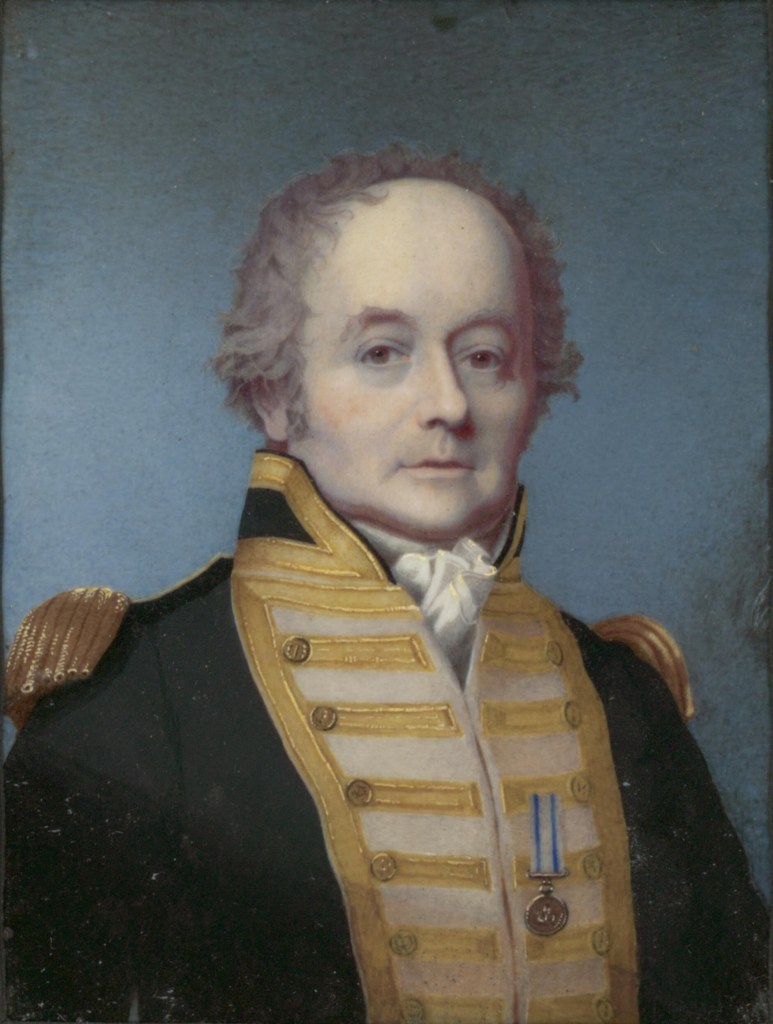
I tried to think about what life would have been like back in the 1700’s. Although the Bounty itself was not a big ship and their conditions were quite cramped, nothing could have prepared Bligh and eighteen of his crew for the mutiny they encountered on the 28th of April 1789.
I won’t go into the full story of either events, there is already plenty of information out there.
But, on the morning of the 28th of April, Bligh and eighteen of his loyalist crew were forced into the ships launch by the lead mutineer Fletcher Christian. The launch was only 23 feet long, 6 feet wide and just under 3 feet deep. They were given very minimal provisions and personal supplies. Christian gave Bligh a quadrant, a compass, his own personal sextant, and a few books on declination. The mutineers believed all 19 men, in five days would make it to a nearby island, die in the launch, be succumbed to exposure, or be swamped by the sea.
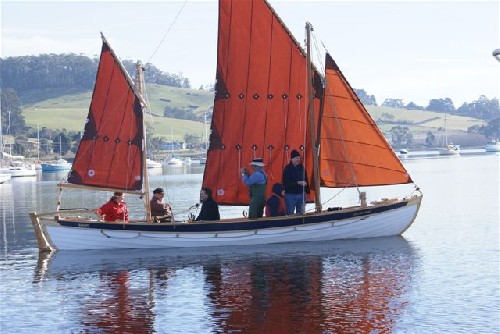
Bligh was very doubtful about being rescued by a passing ship and subsequently being taken back to England, so he decided it was up to him and his now small crew to save themselves.
Bligh was an excellent navigator, and his men sailed in that small launch for 47 days, travelling more than 3600 nautical miles with no chart to navigate by. Bligh navigated the boat from Tofua to Timor, only losing one of his crewmen who was murdered by natives on Tofua.
The conditions they must have endured during those 47 days at sea in a small cramped launch would have been horrendous. Nineteen men all tired and smelly blaming each other; hating one another, arguing, with no where to go other than sitting right next to each other.
They were subjected to searing sun, severe storms, starvation and thirst. It would have been physical and psychological torture. But with Bligh’s intelligence and sheer determination they made it.
The second man I thought about was Ernest Shackleton.
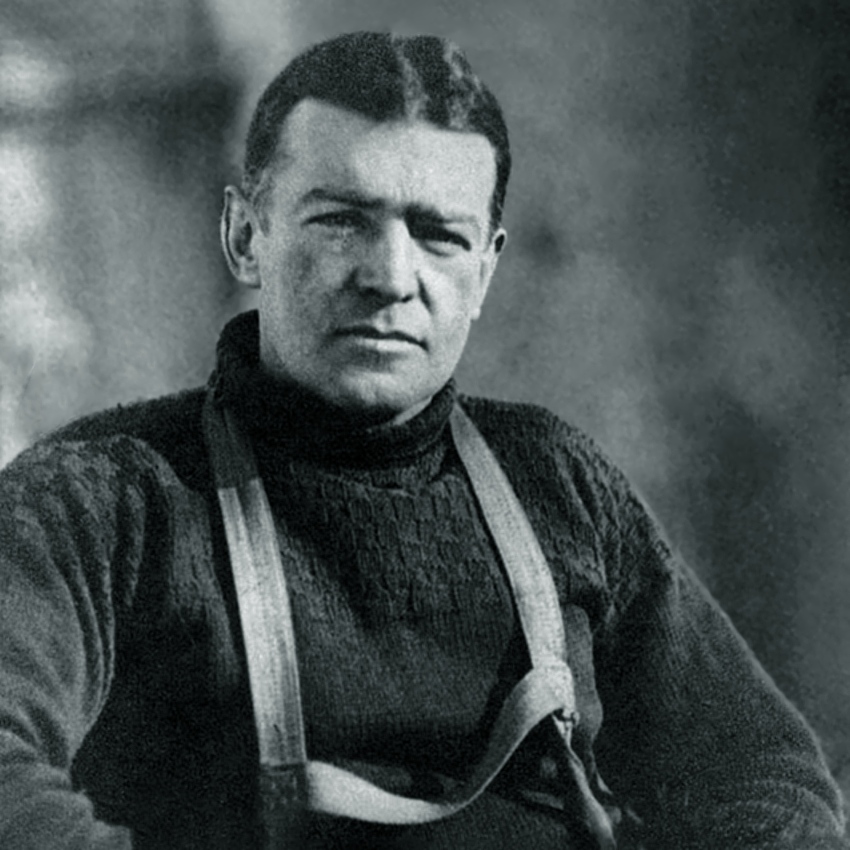
The story of Shackleton and what he and his crew achieved was amazing.
Prior to leaving for Antarctica Shackleton was meticulous with his planning, right down to hand picking the crew based on their personalities and skill set that he deemed would support one another and get them through the harsh conditions of the south.
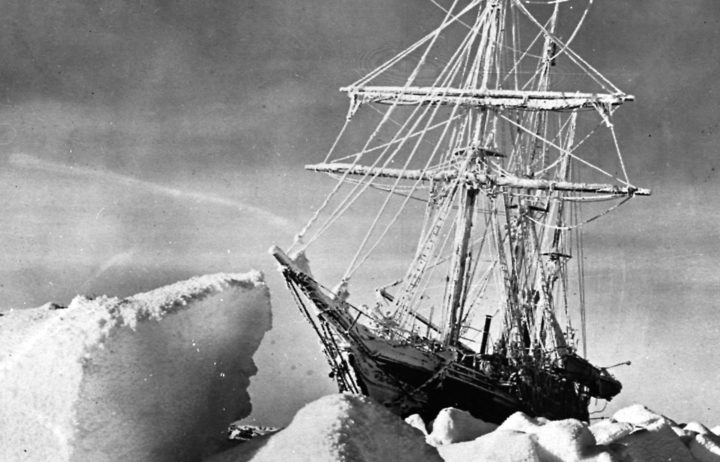
Endurance and her crew of 28 men sailed from England in August 1914, bound for South Georgia Island and then on to Antarctica with the intent to cross from one side to the other of the Antarctic continent. Before reaching their landing site Endurance became trapped in pack ice on the 20th of January 1915, only a days sailing from their destination.
They were now completely stuck in floating pack ice, 1200 miles from civilisation.
Over several months the ice pressure built up around the ship, until Shackleton had no choice but to order the crew to abandon ship on the 21st of November 1915, “It’s time to go home”.
For six months they camped on the ice flow with minimal supplies and three small life boats. They had been living on seals and penguins but they started to become scarce, so in February 1916 Shackleton ordered all the sled dogs to be shot and used for food.
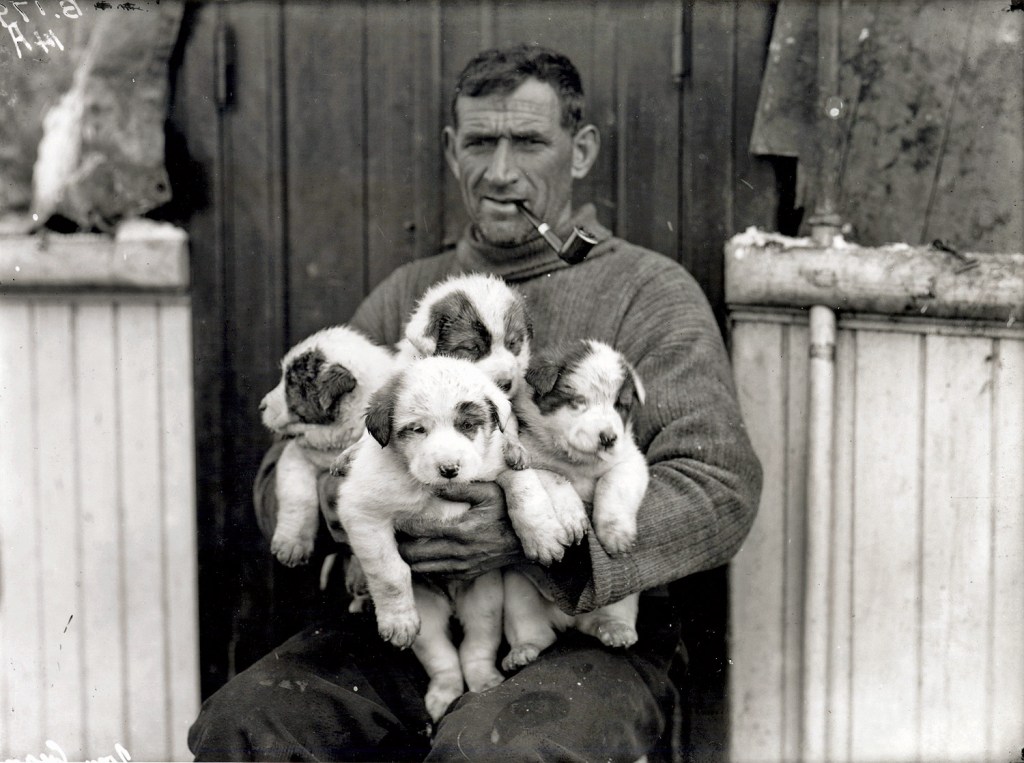
Finally in April 1916 the ice started to break up and they took to the small life boats but were thrown around in the rough freezing waters. They eventually arrived on Elephant Island, leaving behind their floating, frozen prison. It had now been 16 months since they had last set foot on solid ground.
Unfortunately Elephant Island wasn’t much better. Shackleton knew there was no chance of rescue from the island and decided to take one of the life boats with a small number of men, and make for the whaling station on South Georgia Island, 800 miles away, battling some of the harshest weather conditions in the world.
On the 22nd of April 1916 Shackleton and five other men set sail, leaving behind the remaining 22 men to make shelters out of upturned life boats and anything else they could find.
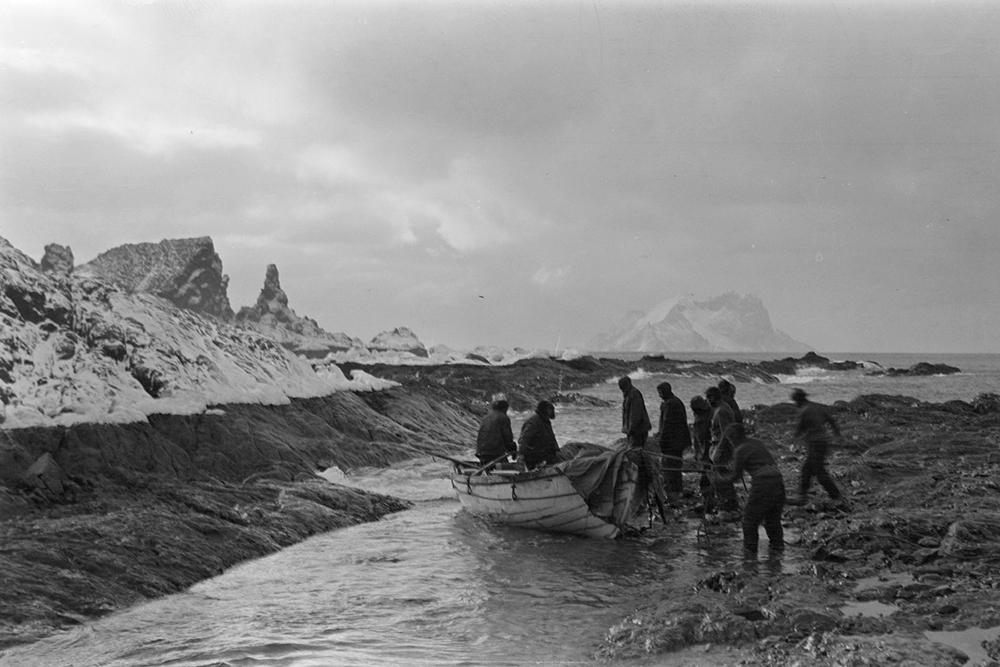
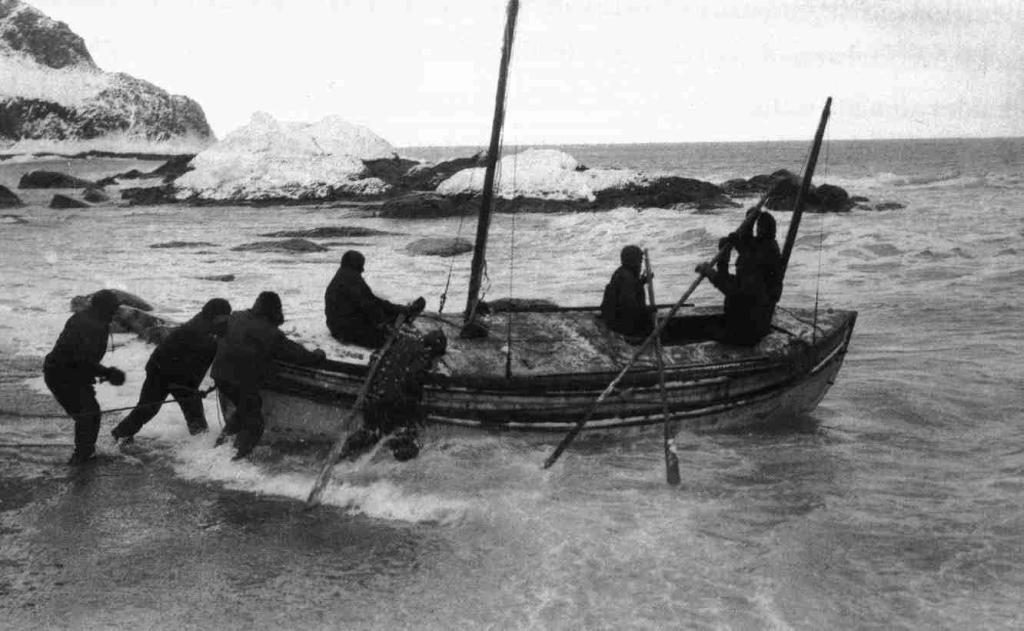
Shackleton and his small party were battered and smashed relentlessly by the stormy, freezing conditions. Everything was cold and wet for most of their trip. Then on the 8th of May they sighted South Georgia Island, but it was several days before they finally managed to land on the 10th of May.
In another blow, they had landed on the opposite side from the whaling station. Between them and their destination were massive mountains, ice and snow; never before crossed by man.
Already severely exhausted they stumbled their way across the mountains without a map, or any idea where they were exactly headed. On the 20th of May 1916 they walked into the whaling station. It would take them several attempts and three months before Shackleton could get a rescue party back to Elephant Island. When they finally made it, to everyone’s surprise, all the men had survived.
Both those leaders got their men back to safety with their knowledge, intelligence and determination; using only the very bare minimum of supplies in extremely trying situations in terrible environmental conditions.
Today people can’t even seem to stay inside their own house or hotel room for a few days or weeks without complaining about it being the worst conditions they have ever encountered; even though it could potentially stop others from dying or getting sick.
We are so lucky to have the things we do today, we just need to appreciate what we have, and remember things have the potential to be a lot worse.
For further reading there are several really good books. I have the following books, which are available through the Booktopia links:
Shackleton’s Way- Leadership lessons from the great antarctic explorer, by Morrell & Capparell
 Sailing The Unknown